Inspiration
It starts with a photograph, a poem, a philosophical idea, a magazine article, a wish list,
A change in lifestyle. There are no typical clients nor typical pre-defined solutions.
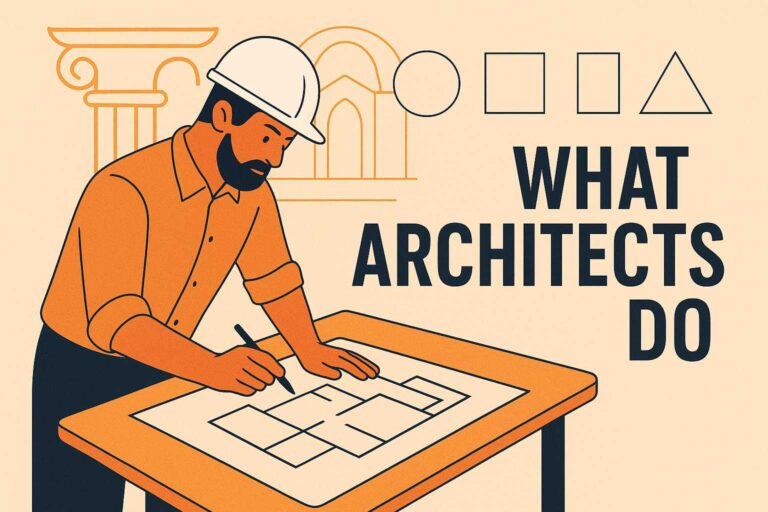
An architect’s role is to take the clients’ ideas and convert them into reality that can be manifested graphically. Understandind the clients’ motivations, dreams and aligning expectations to minimizing misunderstandings.

Review boards
Many municipalities have architectural review boards or historic preservation boards that will ensure architectural review for conformity to aesthetic principals and adherence to the town’s architectural history. Approvals allow continuation of the project through construction drawings.

Life safety
Complex local and state building codes along with city zoning ordinances, dictate
Size, height, and volume of allowable structures, while maintaining safety of the structure and its inhabitants. Climatic factors
greatly influence buiding codes and design choices.

Hollistic project understanding
Architects understanding of all aspects of design from initial concepts to project completion expressed in phases of the project.
1.Pre-design- research, sketches, programming, and budget considerations
2.Preliminary design – schematic design, optional design solutions
3.Design development- design refinements, material selections, budget considerations
4.Permit drawings- architectural and consultant drawings. Structural. Mechanical, plumbing. Electrical, landscape, civil and interior design drawings.
5.Contract document- besides drawings, energy calcs, product approvals, product specifications to attain building permits from regulating bodies.
Construction administration-project visitation, project progress and adressing revisions.

Architects as project leader.
Maintaining the design intent is crucial in coordinating the work of various consultants through out the progress of the project. Creating an open
Dialoge between the construction team, architect and owners is necessary to ensure project cohesion and realistic timelines for completion.